E na sétima entrevista do canal eu tenho a honra de entrevistar um dos meus melhores amigos Rafael Gonçalves, espero que vocês gostem da mesma forma que eu gostei de fazer este video.
Link do video PROMO Rodas Mete a Mala: https://www.youtube.com/watch?v=36kZQJhAVdw
Link do video entrada para WalkBrand: https://www.youtube.com/watch?v=bsrb0wKybtg
Instagram: @bladerafinha
Use o cupom #ZAMBAVSWALK de 10% na walkbrand.com.br
Use o Cupom Zamba de 5% na bladeskateshop.com.br
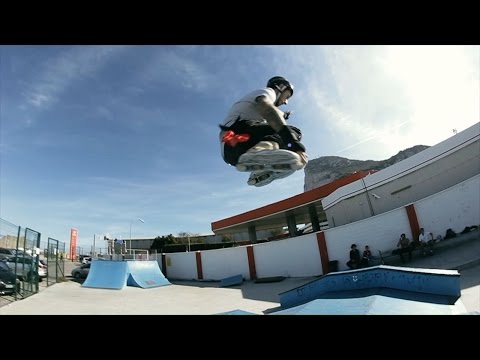
If you ever end up in Gibraltar remember that there is a blue skatepark, great street spots, huge rock in the middle of the city with monkeys on it and super friendly OG blader named Steve who will be honored to show you around. It’s the place to be, and some day we will be back!
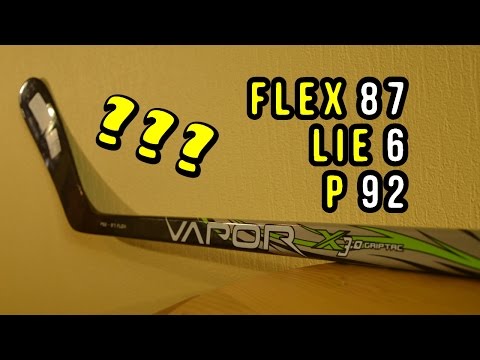
Here’s a quick guide on how to read the letters and numbers on hockey sticks.
First off, know the difference between JUNIOR, INTERMIDATE and SENIOR. This is a senior stick and this is indicated on the product info tag. The size is quite obvious though. With the Bauer Vapor the junior sticks are all 50 inches, the intermediates are 57″ and seniors are all 60″.
Junior sticks are generally for age 6-12, intermidatates for 11-15 and seniors for age 14 and up. if you are inbetween these groups, your height and weight will determine which stick is right for you.
Typically you will need to cut the stick to get the exact lenght you like. It’s also possible to add an extension to make it longer.
The LIE is very important. It’s a number usually between 4 and 7. The number indicates the angle between the blade and the shaft. If you skate low with the puck away from your body you may want low lie, like 4 or 5. If you skate upright with the puck close, you may consider lie 7.
There are so many factors going into this, like height, knee bend, shooting style, how much you cut the stick, and so on. Eventually, it all boils down to your personal preference.
If you are buying your first stick ever, consider a neutral number like 5.
If you have an old stick, check how the blade is worn. If the blade is more worn on the heel, choose a lower lie. If most of the wear in on the toe, choose a higher lie. If the blade is evenly worn, your lie is right.
The FLEX determines the stiffnes of the stick. A low flex number means the stick is soft. It helps build up energy for bigger shots. A high flex is for advanced players, strong and heavy ones especially.
87 is a popular tradeoff.
If you cut the stick, the flex number will increase. The more you cut, the higher the flex value.
The P indicates the blade pattern. This one is Pattern 92 as used by Nicklas Bäckström.
The manufacturers use different codes, and you’ll need to check their websites to see what a specific pattern means.
***
I hope this helped. I suggest you check the manufacturers’ websites for more info. There are also several good blogs out there that will assist you in making the right choice.

 Patins Street – Zamba entrevista Rafael Gonçalves